


All Products
-
Portable Spot Welding Machine
-
Stationary Spot Welding Machine
-
Multi Head Spot Welding Machine
-
Table Spot Welding Machine
-
Manual Spot Welding Machine
-
Single Side Spot Welding Machine
-
Seam Welding Machine
-
Robotic Spot Welding Gun
-
Diffusion Welding Machine
-
Laser Welder Machine
-
Stud Welding Machine
-
Kickless Cables
-
Nut Feeder Machine
-
Spot Welding Copper Electrodes
-
Industrial Spring Balancer
-
Car Dent Puller
-
Capacitor Discharge Spot Welding Machine
-
 Kris Czurczak from PolandFeel free to expand on each section with more detailed information about your company. If you need a more specific example or further customization, let me know!
 -
 Rebecca BrownCertainly! Here is a concise outline for a company introduction in English. You can customize it with specific details about your company.
 -
 tomThis product is recommended by a friend. After purchase, I found that the quality is really good, the surface is smooth, there is no paint drop, and it is strong and durable. It is worth buying.
High Conductivity 10pcs/Box CuCrZr Spot Welding Copper Electrodes Tips
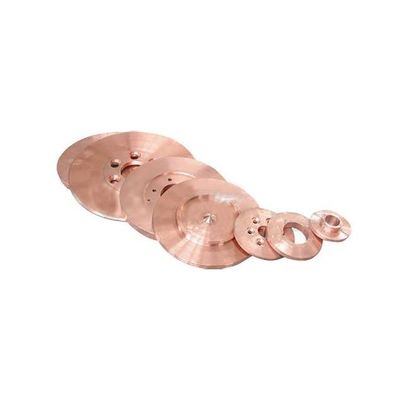
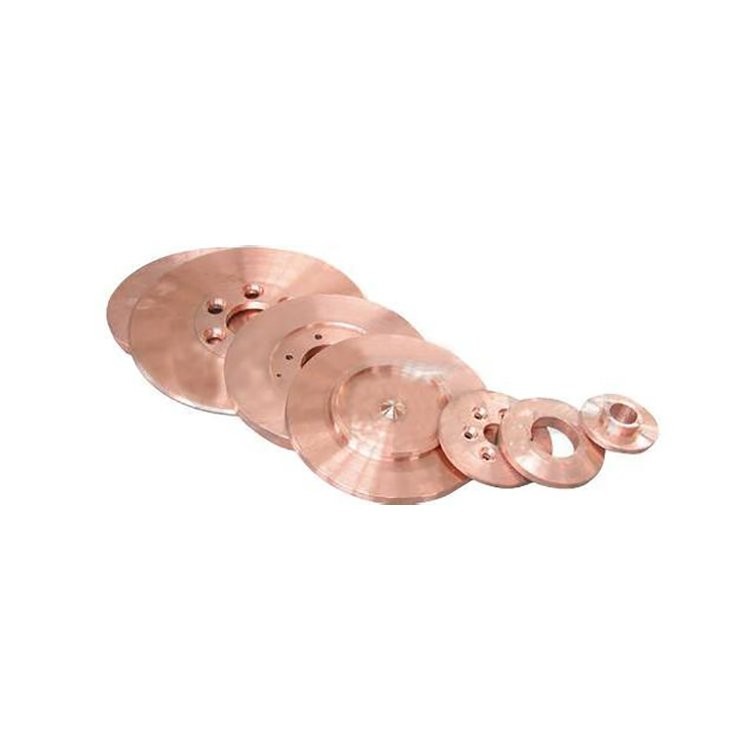
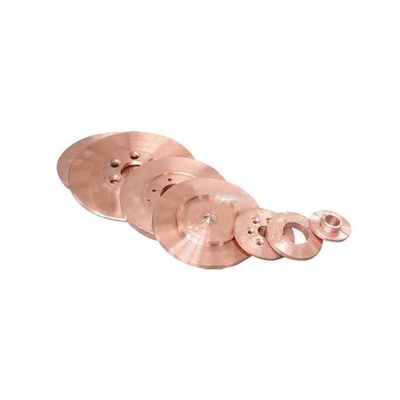
Product Details
| Product Name | Customized Spot Welding Gun Arm CuCrZr Electrode Tip For Welding | Packing | 10pcs/box |
|---|---|---|---|
| Standard | R.W.M.A Class 2, 3, 4 | Shape | OEM |
| Material | Customized | Package | Customers' Requirement |
| Highlight | CuCrZr spot welding copper electrodes,10pcs/box spot welding copper electrodes,CuCrZr spot welding electrode tips |
||
Product Description
Customized Spot Welding Gun Arm CuCrZr Electrode Tip For Welding
Product Introduction
Common electrode materials
1 . copper and copper alloys with high conductivity and medium hardness. This type of material mainly achieves its hardness requirements through cold work deformation methods. It is suitable for making electrodes for welding aluminum and aluminum alloys, and also for spot welding of coated steel plates, but its performance is not as good as that of Class 2 alloys. Type 1 alloys are also commonly used to make non-stressed or low-stress conductive parts.
2. has higher conductivity and higher hardness than Type 1 alloys. This type of alloy can meet its performance requirements through a combination of cold work deformation and heat treatment. Compared with Class 1 alloys, it has higher mechanical properties, moderate electrical conductivity, and strong resistance to deformation under moderate pressure.

We can also produce CUSTOM MADE WELDING ELECTRODE CAPs according to your requirements.
Recommended Products